
Quick Read:
- CNBC and Statista’s fourth annual World’s Top Fintech Companies list screened over 3,500 firms globally and selected 500 winners.
- Multiple African fintech companies made the cut, with Nigeria producing the continent’s largest share.
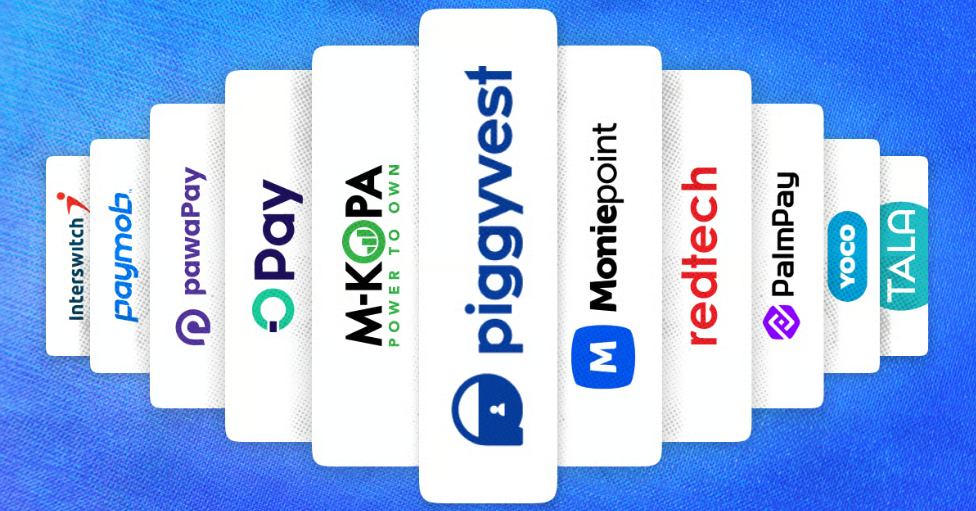
- Standout names include Moniepoint, Piggyvest, Redtech, OPay, PalmPay, Interswitch, PawaPay, Paymob, Yoco and Omnisient.
- The 2026 edition expanded to nine market segments, adding a new regulation-technology category.
A fresh crop of African fintech companies has landed on CNBC and Statista’s 2026 World’s Top Fintech Companies list, a global ranking that continues to put the continent’s digital finance boom firmly on the map. The list, now in its fourth edition, evaluated more than 3,500 companies worldwide before narrowing the field down to 500 across nine fintech segments, including payments, wealth technology, neobanking, alternative finance and, for the first time, regulation technology.
Nigeria once again leads the pack among African fintech companies, accounting for the bulk of the continent’s entries. Payments remains the strongest category, reflecting how deeply mobile money and digital transaction platforms have taken root across African markets. Nigeria’s Redtech, the Heirs Holdings-backed technology company, was named in the payments category for the first time this year, with its RedPay platform having processed approximately ₦45.84 trillion (about $33.21 billion) in transaction value and deployed more than 55,000 POS terminals across sectors including hospitality, energy, banking and retail.
Piggyvest also returned to the list, and notably, it became the only African company recognised in the Wealth Technology category alongside global names like Robinhood, Wealthsimple, and Tiger Brokers, its third consecutive year on the ranking, a sign that its momentum among Nigerian savers and investors isn’t slowing down.
Beyond Nigeria, other African fintech companies made a strong showing too. Kenya-based PawaPay was recognised after processing more than three billion mobile money transactions across 20 African markets, continuing to help businesses access mobile money through a single integration. PawaPay’s CEO, Nikolai Barnwell, called it “another sign that African payments infrastructure is earning the global attention it deserves.”
South Africa also had a moment in the spotlight. Omnisient, the Cape Town-founded fintech that helps banks apply AI to anonymised consumer data for credit scoring and precision marketing, was the only African-founded company listed in the Enterprise Fintech: Banking Solutions category, standing out among just a handful of South African entries.
Other familiar African fintech companies rounding out the list include OPay and PalmPay in payments, Interswitch for its long-standing card and switching infrastructure, Egypt’s Paymob for its regional payment gateway expansion, and South Africa’s Yoco for its small-business card tools. Together, they underline a broader shift: African fintech companies are no longer just regional success stories, they are increasingly benchmarked against, and holding their own alongside, some of the world’s biggest financial technology brands.
For an industry that has weathered tighter global funding cycles in recent years, this kind of international recognition matters. It signals to investors, partners and customers that African-built financial infrastructure is scaling, profitable and ready for its next chapter.