Nigerian Farmers 2026: Key Facts Every Farmer Must Know to Survive the New Season
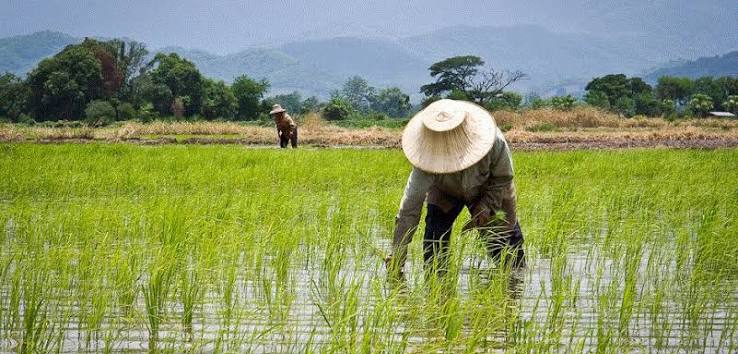
Nigerian farmers 2026 are stepping into one of the most unpredictable planting seasons in years, and getting the timing wrong could cost them their entire harvest. Climate change, shifting government policy, and fast-moving technology are converging to reshape how the country grows its food, and experts say those who fail to adapt could be left behind.
The biggest warning this season comes from the Nigerian Meteorological Agency (NiMet), which has cautioned farmers against rushing to plant after the first rains fall. According to NiMet’s 2026 Seasonal Climate Prediction, several southern states are already experiencing a “false onset,” early showers that trick farmers into planting, only for the rain to disappear and leave crops to wither in a prolonged dry spell. The agency is urging farmers to lean on official forecasts rather than the traditional planting calendar their fathers and grandfathers relied on (NiMet, 2026 SCP).
That warning reflects a bigger reality: agriculture in Nigeria is still overwhelmingly rain-fed, with more than 90 percent of production depending on the skies rather than irrigation. That makes every one of Nigeria’s roughly 200 million people connected, directly or indirectly, to whether the rains behave. Farmers who are embracing climate-smart practices, mulching, agroforestry, water conservation and drought-tolerant varieties, are already reporting steadier yields than those still farming the old way.
Despite the risks, agriculture remains the backbone of the economy, contributing close to a quarter of the country’s GDP and employing millions of Nigerians across the value chain (U.S. Commercial Guide, Nigeria Agriculture Sector). That scale is exactly why small shifts in planting decisions can ripple into national consequences for food prices and food security.
Soil health is also getting fresh attention. The Federal Government is rolling out plans for soil testing laboratories nationwide, aiming to give farmers crop-specific recommendations instead of guesswork on fertiliser use. Paired with this is a major seed upgrade: in March 2026, Nigeria approved 25 new improved crop varieties bred to mature faster, resist pests, and survive erratic weather, a serious upgrade for farmers still using recycled seeds.
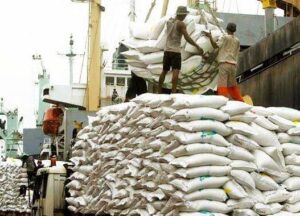
But even a great harvest means little if it never reaches the market intact. Nigeria loses between 30 and 50 percent of its agricultural output yearly to poor storage, weak transportation, and limited processing, a drain estimated at $3.7 billion to $10 billion annually. Farmers who invest in storage, processing, or basic value addition (turning cassava into flour, or grains into packaged products) are consistently pocketing more than those who sell raw produce and hope for the best.
Technology, cooperatives, and diversification round out this year’s survival playbook. Digital extension tools, satellite forecasts, and online marketplaces are giving farmers real-time information advantages, while cooperatives continue to offer better access to credit, inputs, and bargaining power. Farmers spreading risk across crops, livestock, or agro-processing are proving more resilient to shocks than those betting everything on a single harvest.
The message for Nigerian farmers 2026 is clear: this is no longer just about planting and hoping. It’s about treating the farm as a business, tracking costs, reading data, and making decisions based on forecasts and facts rather than instinct alone. Those who do are the ones best positioned to thrive as the season unfolds.