Forget the flags and the handshakes for a second. The number that matters from Freetown is 440 million, the number of West Africans the ECOWAS Commission says will feel the impact of the Nigeria-Morocco gas pipeline once it’s running. That’s not a press release line. That’s a promise made to households, factories, and farms that still ration electricity.
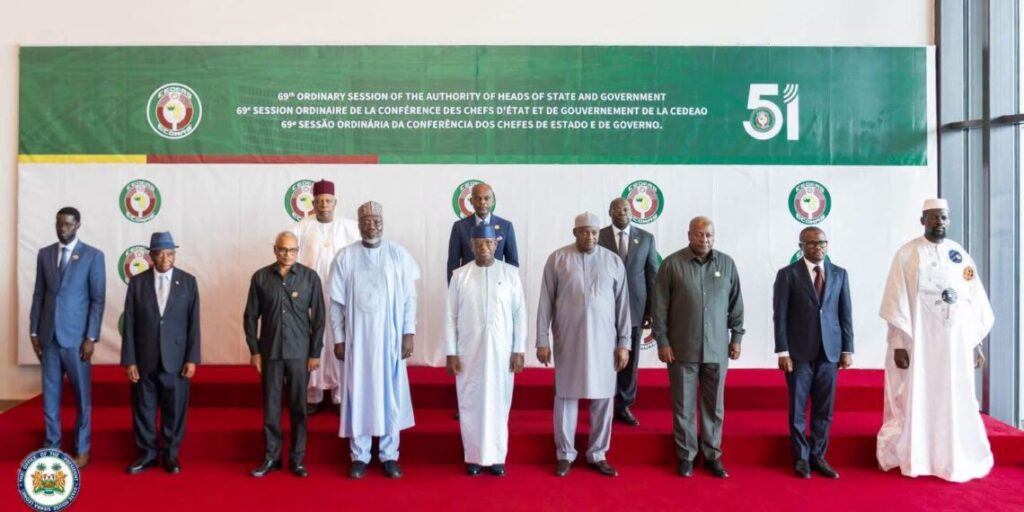
On July 19, heads of state from the Economic Community of West African States gathered in Sierra Leone and signed the Intergovernmental Agreement backing the pipeline formally known as the African Atlantic Gas Pipeline (AAGP). It wasn’t a quiet technical signing. Leaders stood up, one after another, and made it personal.
A President Called It “Historic”, And He Wasn’t Exaggerating
Liberia’s President Joseph Boakai didn’t talk in pipeline jargon. He called the project a “transformative investment for our collective future,” arguing it proves African nations can choose “cooperation over fragmentation” instead of going it alone. That’s the human core of this story: a decade-old idea between Morocco’s King Mohammed VI and Nigeria is now something 13 countries have put their names to, together.
Ghana’s foreign ministry echoed the same urgency, tying the pipeline directly to industrialisation and jobs. Sierra Leone, hosting the summit, called it a “fundamental structural project” for economic integration. This wasn’t polite diplomatic language, it was a bloc closing ranks around one bet for its energy future.
The Numbers Behind the Noise
Strip away the speeches and the engineering is staggering. The pipeline will stretch roughly 6,800 to 6,900 kilometres along a hybrid offshore-onshore route, moving up to 30 billion cubic metres of gas a year from Nigeria through West Africa to Morocco, according to a joint statement from Morocco’s ONHYM and Nigeria’s NNPC Ltd.
Of that, 15 billion cubic metres a year is earmarked for Moroccan and European markets, feeding into the existing pipeline linking Morocco to Spain. The rest stays in West Africa, the part that should matter most to the 440 million people ECOWAS keeps citing.
The price tag: around $25 billion. Feasibility studies and front-end engineering design (FEED) are already complete, Eunews reports, with the first sections targeted for operation at the start of the next decade.
What Happens Next Isn’t Guaranteed
Signing an agreement is not the same as building a pipeline. The next real steps are setting up a project company in Casablanca and a Pipeline Higher Authority headquartered in Abuja, then mobilising investors toward a final investment decision. Morocco and Mauritania, the latter not an ECOWAS member, still need to sign their own separate deal, expected in the presence of Nigeria’s President Bola Ahmed Tinubu.
That’s the honest gap in this story. Political unanimity is loud and easy. $25 billion in financing is quiet and hard.
Why This Isn’t Just an Energy Story
It’s tempting to file this under “infrastructure news” and move on. That would be a mistake. This pipeline is being sold, explicitly, as the thing that decides whether landlocked Sahel states get pulled into regional trade or stay cut off from it, whether factories in Ghana or Sierra Leone get power reliable enough to run a second shift, and whether Morocco becomes Africa’s genuine energy bridge to Europe rather than just a transit point on a map.
Politically, it also matters that Burkina Faso, Mali, and Niger, states in open rupture with parts of their old regional order, have engaged with this project through Morocco’s outreach on Atlantic access, according to Atalayar. Energy diplomacy is doing work that political summits alone haven’t managed.
I’ll say it plainly: unanimous political backing for a $25 billion, 6,800-kilometre pipeline across 13 countries is genuinely rare, and it deserves more attention than it’s getting. The risk now isn’t political will, it’s whether financing and construction can move as fast as the speeches did.
So here’s the real question for readers in Lagos, Accra, Freetown, and beyond: if this pipeline delivers on its promise, whose electricity bill changes first, yours, or your neighbour’s? And if it stalls at the financing stage like so many mega-projects before it, who do you hold accountable?