
Quick Reads:
- Nigerian engineers in Abuja are developing surveillance and attack drones built specifically for local conditions.
- The push is aimed at reducing dependence on foreign military equipment amid rising insurgent attacks.
- Insurgent groups like Boko Haram and ISWAP have themselves adopted commercial drones for reconnaissance and ambushes.
- Firms such as Briech UAS and Terra Industries are among the local companies leading Nigeria’s defense-tech drive.
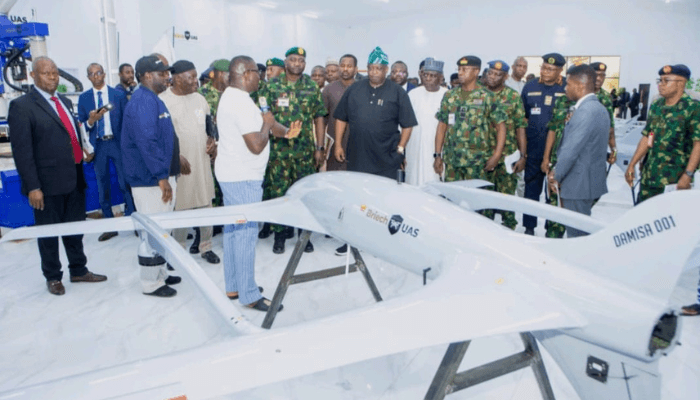
As drones reshape modern warfare, Nigeria’s drone technology is emerging as a frontline weapon against insurgency. According to a recent DW News report, engineers based in Abuja are designing and building surveillance and attack drones tailored to the country’s terrain and security challenges, with the broader goal of strengthening national defense while trimming reliance on imported military hardware.
The development comes as insurgent groups increasingly weaponize aerial technology themselves. Bright Echefu, chairman of Briech UAS, one of the Nigerian firms driving this shift, has said that groups like Boko Haram and the Islamic State West Africa Province (ISWAP) have turned to commercial, off-the-shelf drones for reconnaissance and even attack missions, using them to track troop movements and coordinate ambushes.
Nigeria’s drone technology push is not limited to one company. Startups such as Terra Industries have rolled out interceptor drones, mine-clearing unmanned vehicles, and battlefield intelligence software to counter improvised explosive devices and drone-based attacks that have grown more common in the country’s conflict zones. Officials, including Chief of Defence Staff Gen. Christopher Musa, have described locally built drones as a way to ensure faster acquisition and a quicker military response to emerging threats, rather than waiting on foreign suppliers.
The stakes are high. Years of buying aircraft, armored vehicles, and surveillance systems from countries like China, Turkey, Pakistan, and the United States have left Nigeria’s military exposed to procurement delays and rising foreign exchange costs. A growing local ecosystem of drone manufacturers is now positioning itself to close that gap, with officials arguing that Nigeria has the engineering talent, especially among its youth, to build defense systems that match the specific demands of its terrain and adversaries.
Whether this homegrown push can meaningfully turn the tide against insurgents in the country’s north and northeast remains to be seen, but for now, Nigeria’s drone technology ambitions are a clear signal that Abuja intends to fight fire with fire, on its own terms.