US Backs LNG Technology Deployment to Power Up Northern Nigeria’s Energy Future
Nigeria’s push for reliable power just got a boost from an unlikely but familiar partner. The United States government has thrown its weight behind LNG technology deployment in Nigeria, funding a feasibility study that could reshape how energy reaches underserved communities in the north.
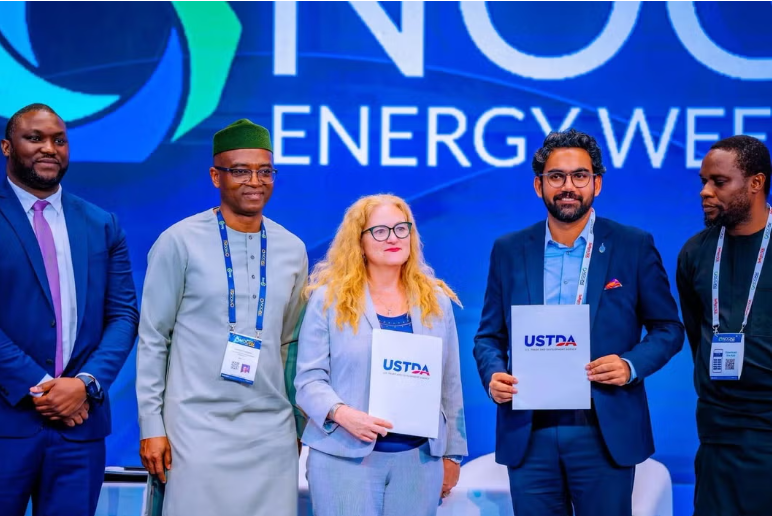
The support, announced Friday by the U.S. Trade and Development Agency (USTDA), comes through an agreement with Nigerian energy firm Powergas Nigeria Ltd. The goal is to determine whether a small-scale liquefied natural gas plant can be built in southern Nigeria, one designed to funnel gas to industries and remote communities in the north through virtual pipeline trucking networks, bypassing the need for costly conventional pipelines.
For a region long held back by patchy infrastructure, this US-backed LNG technology deployment in Nigeria could be more than symbolic. USTDA says the initiative is meant to close the infrastructure gap that has stifled economic growth in the north, while also opening the door for American firms to supply equipment and engineering expertise.
USTDA Deputy Director Thomas R. Hardy framed the move as part of a broader strategy to let private enterprise, powered by American innovation, do the heavy lifting. “USTDA is helping catalyse private sector-led growth through the use of innovative U.S. energy technology,” Hardy said, adding that the project tackles a region “where underinvestment in infrastructure has impeded economic opportunity,” while also giving America’s LNG industry a fresh foothold in Nigeria’s energy market.
The feasibility study itself will do more than tick boxes. It’s expected to examine the technical and financial viability of the plant, draft an implementation roadmap, and identify American suppliers for critical components, from liquefaction systems to electrical controls. USTDA says the findings should give the project the technical grounding it needs to attract financing, while creating procurement openings for U.S. companies eyeing Nigeria’s growing energy space.
Why the north, specifically? The agency points to a simple but pressing reality: industrial demand up there is rising, yet much of the region sits outside the reach of conventional gas pipelines. Trucking LNG through virtual pipeline networks offers a workaround, delivering cleaner energy to factories and communities that would otherwise be left waiting.
Powergas Nigeria Ltd sees this as a natural next step. The company’s Head of Strategy, Abiodun Oseni, said the firm has already built strong expertise in Nigeria’s compressed natural gas value chain, from compression to virtual pipeline distribution, and now views LNG as its next frontier. “That’s why USTDA’s catalytic support is so critical, as it de-risks our strategic leap and accelerates project bankability,” Oseni said, noting the company’s interest in adopting U.S. innovation and liquefaction systems to ensure world-class execution.
USTDA has also opened the door for interested businesses to submit proposals to carry out the feasibility study, as part of its standard overseas project procurement process. The agency routinely funds this kind of groundwork, technical studies and project preparation, to accelerate infrastructure development in emerging markets while creating trade opportunities for American companies.
If the numbers add up, this project could mark a meaningful step toward closing Northern Nigeria’s energy gap, one truckload of LNG at a time.