Quick Read:
Nigeria has directly accused South Africa of complicity in xenophobic violence against its citizens, following a tense Abuja meeting where officials demanded Pretoria act against attacks that have killed nearly 100 Nigerians since 2022.
Nigeria has escalated its diplomatic standoff with South Africa, with officials in Abuja bluntly telling Pretoria’s delegation that the country’s failure to stop repeated attacks on foreign nationals amounts to state complicity. The accusation was delivered during high-level talks on Monday, 27 July, ordered by President Bola Tinubu to confront what Nigeria calls persistent “Afrophobic attacks.”
Nigeria’s Minister of State for Foreign Affairs, Sola Enikanolaiye, led the charge, telling South Africa’s Minister of International Relations, Ronald Lamola, that at least 98 Nigerians have been killed in xenophobic attacks since 2022 alone. He said the violence follows a documented pattern stretching back to 1995, and pushed back hard on South Africa’s narrative that the attacks are simply a response to migrant criminality.
“If someone is a criminal for drug trafficking, there are rules and regulations: get them arrested, prosecuted, and jailed,” Enikanolaiye said, rejecting mob justice as a substitute for due process.
Central to Nigeria’s grievance is the claim that South African police have repeatedly stood by during attacks rather than intervening. Enikanolaiye said Nigerian authorities documented cases where officers appeared to watch mob violence unfold without acting, a pattern he said raises serious questions of state responsibility under international law.
South Africa’s Lamola, for his part, described the discussions as candid and forward-looking, insisting that President Cyril Ramaphosa’s government firmly opposes xenophobia, racism, and discrimination. But that assurance has done little to calm tensions on the Nigerian side, especially after officials condemned earlier remarks by a South African government spokesperson who allegedly told departing Nigerians to “show where they hide illegal drugs,” a comment Abuja labelled as hate speech.
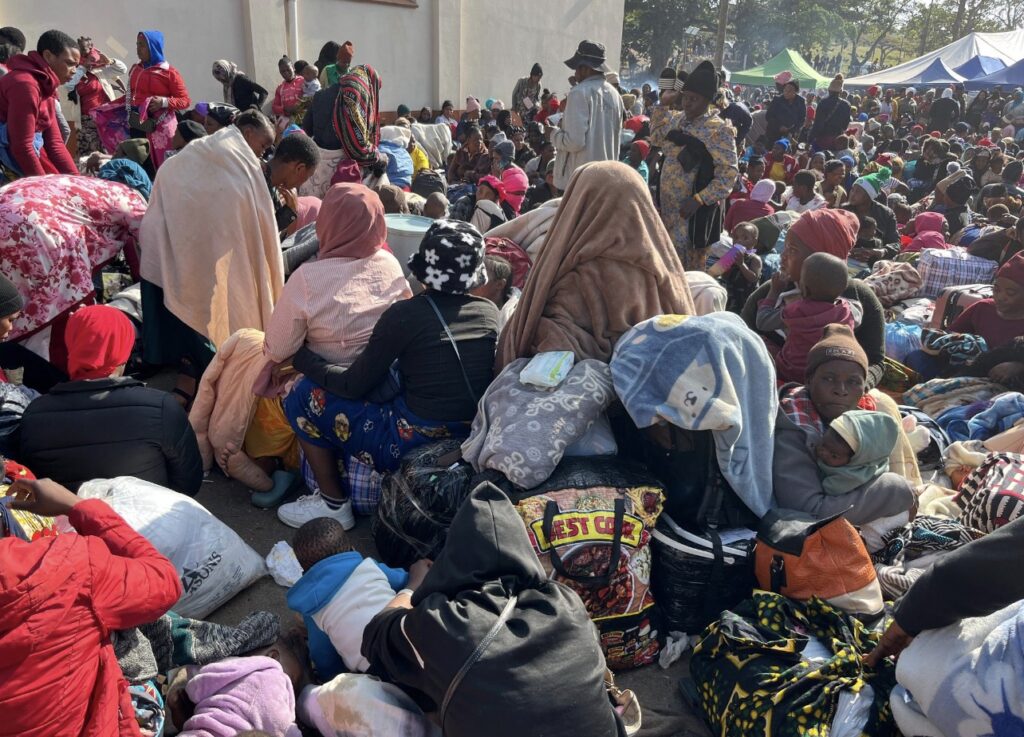
The diplomatic rift comes as roughly 1,500 Nigerians have already been evacuated from South Africa since the latest wave of violence broke out, with vigilante groups attacking foreign nationals and looting migrant-owned shops across the country. Ghana, Mozambique, and Malawi nationals have also been targeted, as South Africa’s economic pressures continue to fuel resentment toward migrant communities.
Nigeria has urged its citizens still in South Africa to remain calm, avoid high-risk neighbourhoods, and stay security conscious while diplomatic efforts continue. Abuja has also reminded Pretoria that South African nationals and businesses operate freely and safely in Nigeria, arguing that reciprocal protection should not be optional.