Global Inflation Set to Hit 4.7% in 2026 as IMF Sounds Alarm Over Stalled Disinflation
Quick Read:
The IMF says global inflation is climbing again, not falling. Its July 2026 outlook projects a jump from 4.1% to 4.7%, while growth cools to 3%. War in the Middle East and the AI boom are pulling economies in opposite directions.
The International Monetary Fund has projected that global inflation will rise from 4.1 per cent in 2025 to 4.7 per cent in 2026, signalling that the disinflation streak which began in early 2024 has now stalled.
In its July 2026 World Economic Outlook Update, the Fund said the world economy is being pulled in different directions by two major forces: the ongoing war in the Middle East and the rapid spread of artificial intelligence across industries. Global growth is now projected at 3.0 per cent for 2026 and 3.4 per cent for 2027, a step down from the 3.5 per cent average recorded in 2024 and 2025.
The IMF explained that the fallout isn’t evenly spread. Energy exporters sitting outside the conflict zone are cashing in on favourable trade terms, while countries riding the AI wave are seeing stronger activity, even those that import energy. It’s a different story for energy importers with little stake in the technology value chain, a group the Fund says includes many low-income nations now bearing the brunt of both shocks at once.
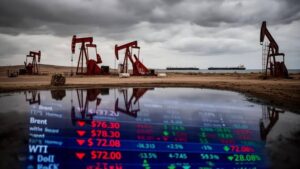
Rising energy prices have already pushed headline inflation up for three straight months as of May, breaking a downward run that started back in 2024. The Fund noted that while sequential inflation surged by nearly four percentage points between February and April, core inflation in most economies has stayed fairly steady, a sign the pressure is coming mainly from energy markets rather than a broader economic overheating.
Looking ahead, the IMF flagged real dangers: a fresh escalation in the Middle East could send commodity prices spiralling and choke supply chains, while growing trade fragmentation threatens to shrink global output and push prices even higher. A correction in inflated tech expectations was also listed as a risk to watch. On the brighter side, a quicker-than-expected calming of energy markets, stronger tech investment, and bold structural reforms could all help growth outperform current forecasts.
To steady the ship, the Fund urged central banks to prioritise price stability through clear communication and independence, alongside strong financial oversight. It also called on governments to rebuild fiscal buffers and use spending tools sparingly, targeting support only where it’s truly needed. Structural reforms around energy security, AI readiness, and stronger international cooperation, the IMF added, are now essential to easing the strain from ongoing global tensions.