Quick Reads:
- 792 people killed and 882 security incidents recorded nationwide in June 2026
- ISWAP intensified attacks around the Monguno axis in Borno State, disrupting aid to displaced persons
- Borno remained the most violent state with 109 incidents and 172 deaths
- Non-state armed groups caused the most fatalities despite fewer operations than security forces
- SARI Global warns humanitarian conditions could worsen further into July
Nigeria recorded one of its most violent stretches of the year in June 2026, with a new report placing the death toll at 792 across 882 documented security incidents nationwide. The figures, drawn from the latest Nigeria security incidents June 2026 assessment by risk intelligence firm SARI Global, paint a picture of a country under sustained pressure from insurgents, bandits and criminal actors, even as security forces stepped up operations.
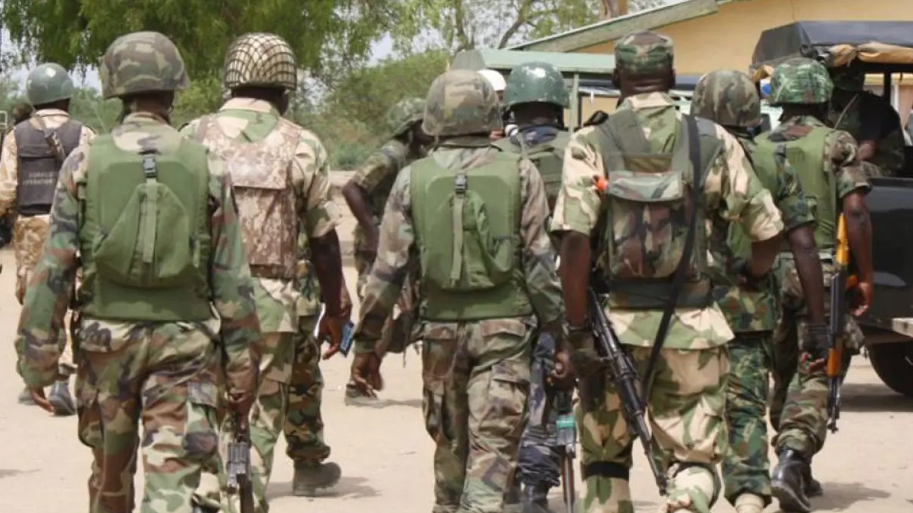
Published through ReliefWeb, the humanitarian platform run by the UN Office for the Coordination of Humanitarian Affairs, the report also noted that troops eliminated 274 insurgents during the month. Yet SARI Global cautioned that a busier security apparatus has not translated into a safer country, pointing instead to a volatile and, in places, worsening environment.
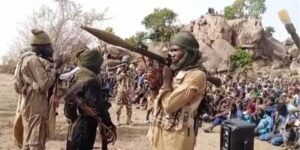
The North-East remains the epicentre of the crisis. The Islamic State West Africa Province (ISWAP) ramped up operations around Monguno, Cross Kauwa, Baga and Kukawa in Borno State, an area the report describes as the country’s most critical humanitarian flashpoint. Fighters reportedly combined night raids on aid compounds with daylight strikes on supply routes, cutting off assistance to hundreds of thousands of displaced people. One especially alarming episode occurred on June 24, when ISWAP fighters infiltrated a housing estate in Monguno and abducted an international aid worker along with a local security guard, an act the report says reflects detailed surveillance of humanitarian personnel.
Insurgents also targeted the supply chain directly. After torching NGO-contracted trucks along the Monguno-Gajiram road in mid- and late June, transporters reportedly began avoiding the route altogether, raising fears of delayed food distribution as the lean season approaches. Schools were not spared either — the report flagged the June 29 attack on a secondary school in Lassa, Borno, where students and teachers were abducted in broad daylight, calling for schools near Sambisa Forest to be treated as high-risk zones.
Violence was not confined to one week. The report found that incidents surged early in the month, peaking between June 8 and 14 with 278 recorded cases — the highest weekly figure and the deadliest stretch overall. Government-linked forces carried out the most operations (375 of the 882 incidents) but accounted for fewer deaths than non-state armed groups, which triggered only 224 incidents yet caused 337 fatalities, or 42.5 percent of the month’s toll — making them the single deadliest actor category.
State-by-state, Borno topped the chart with 109 incidents and 172 deaths, followed by Zamfara (63), Plateau (51) and Katsina (44), reflecting entrenched banditry in the North-West alongside insurgency in the North-East. Lagos, the FCT, Rivers, Oyo, Sokoto and Niger also featured, though southern states saw comparatively lower-fatality incidents tied to crime and civil unrest. Abuja’s 36 incidents were largely linked to early political tension ahead of the 2027 general elections.
SARI Global’s outlook for July is cautious at best, projecting that deepening food insecurity and continued attacks on aid routes could push humanitarian conditions further into crisis, with rising risks for both aid workers and vulnerable communities in the affected regions.